Translate

Δευτέρα 30 Μαΐου 2022

The public health burden of geriatric trauma: Analysis of 2,688,008 hospitalizations from Centers for Medicare and Medicaid Services inpatient claims

alexandrossfakianakis shared this article with you from Inoreader
imageBACKGROUND Geriatric trauma care (GTC) represents an increasing proportion of injury care, but associated public health research on outcomes and expenditures is limited. The purpose of this study was to describe GTC characteristics, location, diagnoses, and expenditures. METHODS Patients at short-term nonfederal hospitals, 65 years or older, with ≥1 injury International Classification of Diseases, Tenth Revision, were selected from 2016 to 2019 Centers for Medicare and Medicaid Services Inpatient Standard Analytical Files. Trauma center levels were linked to Inpatient Standard Analytical Files data via American Hospital Association Hospital ID and fuzzy string matching. Demographics, care location, diagnoses, and expenditures were compared across groups. RESULTS A total of 2,688,008 hospitalizations (62% female; 90% White; 71% falls; mean Injury Severity Score, 6.5) from 3,286 hospitals were included, comprising 8.5% of all Medicare inpatient hospitalizations. Level I centers encompassed 7.2% of the institutions (n = 236) but 21.2% of hospitalizations, while nontrauma centers represented 58.5% of institutions (n = 1,923) and 37.7% of hospitalizations. Compared with nontrauma centers, patients at Level I centers had higher Elixhauser scores (9.0 vs. 8.8) and Injury Severity Score (7.4 vs. 6.0; p
View on Web

Factors associated with limitation of care after fatal injury

alexandrossfakianakis shared this article with you from Inoreader
imageBACKGROUND There is variability in end-of-life care of trauma patients. Many survive resuscitation but die after limitation of care (LoC). This study investigated LoC at a level I center. METHODS Adult trauma deaths between January 2016 and June 2020 were reviewed. Patients were stratified into "full code" versus any LoC (i.e., do not resuscitate, no escalation, or withdrawal of care) and by timing to LoC. Emergency department and "brain" deaths were excluded. Unadjusted logistic regression and Cox proportional hazards were used for analyses. Results include n (%) and odds ratios (ORs) with 95% confidence intervals (CIs), with α = 0.05. RESULTS A total of 173 patients were included; 15 patients (8%) died full code and 158 (91%) died after LoC. Seventy-seven patients (48%) underwent incremental LoC. Age (OR, 1.05; 95% CI, 1.02–1.08; p = 0.0010) and female sex (OR, 3.71; 95% CI, 1.01–13.64; p = 0.0487) increased the odds of LoC; number of anatomic injuries (OR, 0.91; 95% CI, 0.85–0.98; p = 0.0146), chest injuries (Abbreviated Injury Scale [AIS] score chest, >3) (OR, 0.02; 95% CI, 0.01–0.26; p = 0.0021), extremity injury (AIS score, >3) (OR, 0.08; 95% CI, 0.01–0.64; p = 0.0170), and hospital complications equal to 1 (OR, 0.21; 95% CI, 0.06–0.78; p = 0.0201) or ≥2 (OR, 0.19; 95% CI, 0.04–0.87; p = 0.0319) decreased the odds of LoC. For those having LoC, final limitations were implemented in
View on Web

Are burns a chronic condition? Examining patient reported outcomes up to 20 years after burn injury—A Burn Model System National Database investigation

alexandrossfakianakis shared this article with you from Inoreader
imageBACKGROUND People living with burn injury often face long-term physical and psychological sequelae associated with their injuries. Few studies have examined the impacts of burn injuries on long-term health and function, life satisfaction, and community integration beyond 5 years postinjury. The purpose of this study was to examine these outcomes up to 20 years after burn injury. METHODS Data from the Burn Model System National Longitudinal Database (1993–2020) were analyzed. Patient-reported outcome measures were collected at discharge (preinjury status recall) and 5 years, 10 years, 15 years, and 20 years after injury. Outcomes examined were the SF-12/VR-12 Physical Component Summary and Mental Component Summary, Satisfaction with Life Scale, and Community Integration Questionnaire. Trajectories were developed using linear mixed models with repeated measures of outcome scores over time, controlling for demographic and clinical variables. RESULTS The study population included 421 adult burn survivors with a mean age of 42.4 years. Lower Physical Component Summary scores (worse health) were associated with longer length of hospital stay, older age at injury and greater time since injury. Similarly, lower Mental Component Summary scores were associated with longer length of hospital stay, female sex, and greater time since injury. Satisfaction with Life Scale scores decrease negatively over time. Lower Community Integration Questionnaire scores were associated with burn size and Hispanic/Latino ethnicity. CONCLUSION Burn survivors' physical and mental health and satisfaction with life worsened over time up to 20 years after injury. Results strongly suggest that future studies should focus on long-term follow-up where clinical interventions may be necessary. LEVEL OF EVIDENCE Prognostic and Epidemiologic; Level III.
View on Web

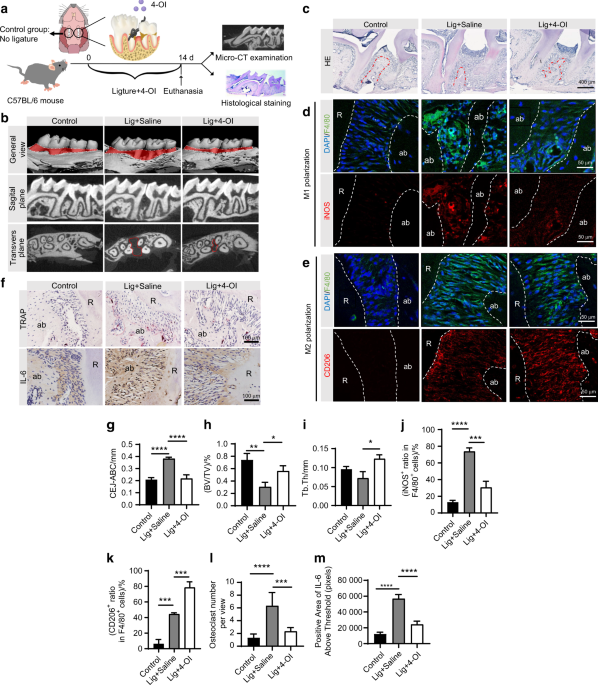
Four-Octyl itaconate ameliorates periodontal destruction via Nrf2-dependent antioxidant system

alexandrossfakianakis shared this article with you from Inoreader

41368_2022_177_Fig1_HTML.png

View on Web

Κυριακή 29 Μαΐου 2022

Long-term results of slide laryngotracheoplasty for congenital subglottic stenosis in newborns and infants

alexandrossfakianakis shared this article with you from Inoreader

1-s2.0-S0165587622X00050-cov150h.gif

Publication date: July 2022

Source: International Journal of Pediatric Otorhinolaryngology, Volume 158

Author(s): Eszter Erdélyi, Ádám Bach, Balázs Sztanó, Péter Gál, Kishore Sandu, Csaba Bereczki, László Rovó

View on Web

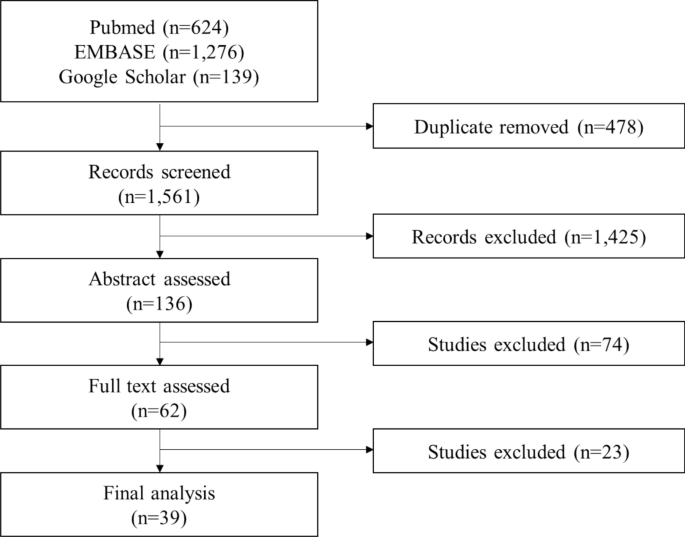
Prenatal exposure to phthalate and decreased body mass index of children: a systematic review and meta-analysis

alexandrossfakianakis shared this article with you from Inoreader

41598_2022_13154_Fig1_HTML.png

View on Web

Carglumic acid in methylmalonic acidemia: Use of breast milk as an alternative vehicle to water

alexandrossfakianakis shared this article with you from Inoreader
Carglumic acid in methylmalonic acidemia: Use of breast milk as an alternative vehicle to water

We aim to report the use of breast milk (BM) as an alternative vehicle in a neonate with methylmalonic acidemia rejecting carglumic acid (NCG) diluted in water. The patient presented symptomatic acidemia and hyperammonemia and after refusal of oral NCG administration, the clinician consulted the Pharmacy Department for advice. Data sheet of NCG does not recommend administration in other vehicle than water. Consequently, a dissolution test was conducted in BM showing correct dissolution. The solution was well tolerated, and plasma ammonium concentrations remained within range in subsequent analytical controls.


Abstract

What Is Known and Objective

Carbaglu® or N-carbamylglutamate (NCG) is not recommended for administration in a vehicle other than water. We aim to report the use of breast milk (BM) as an alternative vehicle in a neonate rejecting NCG diluted in water.

Case Summary

A neonate diagnosed with methylmalonic acidemia presented symptomatology of acidemia and hyperammonemia. After the patient refused oral NCG administration, a dissolution test was conducted in BM showing correct dissolution. The NCG-BM solution was tolerated and plasma ammonium concentrations remained within range in subsequent analytical controls.

What Is New and Conclusion

BM as a vehicle for NCG is a safe and effective option for patients who refuse suspension in water and could lead to better treatment compliance in paediatric patients.

View on Web

Adapting narrative exposure therapy with a tribal community: A community‐based approach

alexandrossfakianakis shared this article with you from Inoreader

Abstract

Objective

American Indian (AI) individuals are at increased risk for present-day trauma exposure and associated negative outcomes, as well as ongoing effects of intergenerational trauma exposure and adversity. However, few empirically supported treatments exist that are specifically tailored and/or tested with AI communities. This study describes the process of selecting, adapting, and implementing narrative exposure therapy (NET) with an AI community.

Methods

A community and academic partnership was formed and worked together to make culturally mindful changes to NET to best fit the needs of the community. The partnership incorporated community leaders/Elders (n = 7), providers (n = 11), and participants seeking treatment (n = 50) to implement an iterative process of adapting and implementing the adapted form of NET.

Results

Key adaptions included addressing historical and intergenerational trauma, greater protections for confidentiality in a small community, and incorporation of cultural customs and traditions. Overall, the adapted form of NET was favorably received by the participants, and the implementation appeared to be feasible, with improved retention over past trials of adapted trauma-focused treatments with this community and with highly positive satisfaction ratings and feedback.

Conclusions

NET was shown to be an appropriate approach for this AI community and should be considered as a treatment option for other AI communities. Future work should consider strategies outlined in this adaption as well as following a similar process for working with AI communities to implement culturally appropriate interventions for trauma-related symptoms.

View on Web

Molecular basis for avirulence of spontaneous variants of Porphyromonas gingivalis: genomic analysis of strains W50, BE1 and BR1

alexandrossfakianakis shared this article with you from Inoreader

Abstract

The periodontal pathogen Porphyromonas gingivalis is genetically heterogeneous. However, the spontaneous generation of phenotypically different sub-strains has also been reported. McKee (McKee et al., 1988) cultured P. gingivalis W50 in a chemostat during investigations into the growth and properties of this bacterium. Cell viability, on blood agar plates, revealed two types of non-pigmenting variants, W50 Beige (BE1) and W50 Brown (BR1) in samples grown in a high haemin medium after day 7 and the population of these variants increased to approximately 25% of the total counts by day 21. W50, BE1 and BR1 had phenotypic alterations in pigmentation, reduced protease activity and haemagglutination, and susceptibility to complement killing. Furthermore, the variants exhibited significant attenuation in a mouse model of virulence. Other investigators showed that in BE1, the predominant extracellular Arg-gingipain was RgpB, and no reaction with an A-LPS specific MAb 1B 5 (Collinson et al., 1998; Slaney et al., 2006). In order to determine the genetic basis for these phenotypic properties we performed hybrid DNA sequence long reads using Oxford Nanopore, and the short paired-end DNA sequence reads of Illumina Hiseq platforms to generate closed circular genomes of the parent and variants. Comparative analysis indicated loss of intact kgp in the 20 kb region of the hagA-kgp locus in the two variants BE1 and BR1. Deletions in hagA led to smaller open reading frames in the variants, and BR1 had incurred a major chromosomal DNA inversion. Additional minor changes to the genomes of both variants were also observed. Given the importance of Kgp and HagA to protease activity and haemagglutination respectively in this bacterium, genomic changes at this locus may account for most of the phenotypic alterations of the variants. The homologous and repetitive nature of hagA and kgp, and the features at the inverted jun ctions are indicative of specific and stable homologous recombination events which may underlie the genetic heterogeneity of this species.

This article is protected by copyright. All rights reserved

View on Web

The concordance between wide-area transepithelial sampling with computer-assisted 3-dimensional analysis (WATS-3D) and standard endoscope biopsy in the detection of Barrett's esophagus and esophageal dysplasia

alexandrossfakianakis shared this article with you from Inoreader

1-s2.0-S1092913422X00026-cov150h.gif

Publication date: Available online 28 May 2022

Source: Annals of Diagnostic Pathology

Author(s): Chaohui Lisa Zhao, Zarrin Hossein-Zadeh, Bahram Dabiri, Solomon Turunbedu, Gerasimos Karalis, Behnam Rafiee, Alex Pipas Rodriguez, Iman Hanna

View on Web

Αρχειοθήκη ιστολογίου

Translate