Translate

Πέμπτη 2 Ιουνίου 2022

Dedicated isotropic 3-D T1 SPACE sequence imaging for radiosurgery planning improves brain metastases detection and reduces the risk of intracranial relapse

alexandrossfakianakis shared this article with you from Inoreader

S01678140.gif

Publication date: Available online 2 June 2022

Source: Radiotherapy and Oncology

Author(s): Tugce Kutuk, Kevin J. Abrams, Martin C. Tom, Muni Rubens, Haley Appel, Charif Sidani, Matthew D. Hall, Ranjini Tolakanahalli, D. Jay J. Wieczorek, Alonso N. Gutierrez, Michael W. McDermott, Manmeet S. Ahluwalia, Minesh P. Mehta, Rupesh Kotecha

View on Web

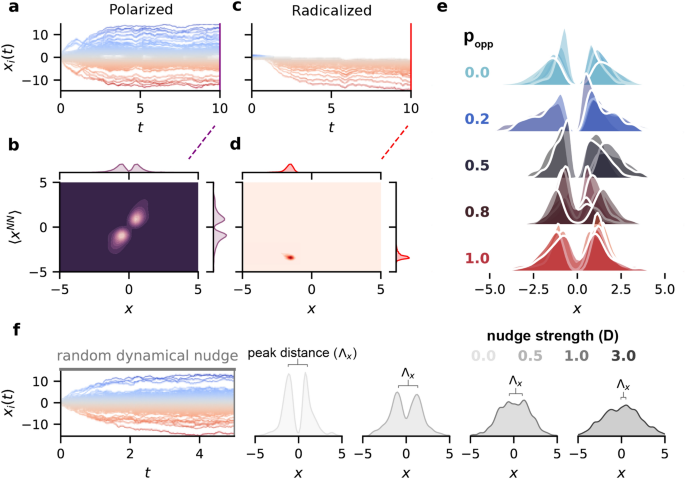
Depolarization of echo chambers by random dynamical nudge

alexandrossfakianakis shared this article with you from Inoreader

41598_2022_12494_Fig1_HTML.png

View on Web

Effectiveness of Paxlovid in Reducing Severe COVID-19 and Mortality in High Risk Patients

alexandrossfakianakis shared this article with you from Inoreader
Abstract
Background
Paxlovid was granted emergency use authorization for the treatment of mild to moderate COVID-19, based on the interim analysis of EPIC-HR trial. Paxlovid effectiveness needs to be assessed in a noncontrolled setting. In this study we used population-based real world data to evaluate the effectiveness of Paxlovid.
Methods
The database of the largest healthcare provider in Israel was used to identify all adults aged 18 years or older with first ever positive test for SARS-CoV-2 between January and February 2022, who were at high risk for severe COVID-19 and had no contraindications for Paxlovid use. Patients were included irrespective of their COVID-19 vaccination status. Cox hazard regression was used to estimate the 28 day HR for severe COVID-19 or mortality with Paxlovid examined as time-dependent variable.
Results
Overall, 180,351 eligible were included, of them only 4,737 (2.6%) were treated with Paxlovid , and 135,482 (75.1%) had adequate COVID-19 vaccination status. Both Paxlovid and adequate COVID-19 vaccination status were associated with significant decrease in the rate of severe COVID-19 or mortality with adjusted HR 0.54 (95% CI, 0.39-0.75) and 0.20 (95% CI, 0.17-0.22), respectively. Paxlovid appears to be more effective in older patients, immunosuppressed patients, and patients with underlying neurological or cardiovascular disease (interaction p-value <0.05 for all). No significant interaction was detected between Paxlovid treatment and COVID-19 vaccination status.
Conclusions
This study suggests that in the era of omicron and in real life setting Paxlovid is highly effective in reducing the risk of severe COVID-19 or mortality.
View on Web

Τετάρτη 1 Ιουνίου 2022

Novel technique to prevent or correct open‐mouth deformity after bilateral mandibular resection: Use of tensor fascia lata slings

alexandrossfakianakis shared this article with you from Inoreader

Abstract

Open-mouth deformity after mandibular resection presents a challenge for surgeons and patients, contributing to significant functional and cosmetic morbidity. We present an innovative surgical technique to prevent or correct open-mouth deformity. Tensor fascia lata slings were utilized in combination with maxillomandibular fixation to surgically correct or prevent open-mouth deformity in four patients who had previously undergone mandibulectomy or at the time of a contralateral mandibulectomy following prior hemimandibulectomy and reconstruction. Two patients achieved favorable outcomes, including oral competence and improved resting jaw position, while open-mouth deformity could not be corrected for one patient. Another patient remains in the early postoperative period following a secondary procedure to correct open-mouth deformity. Open-mouth deformity is a functional/aesthetic problem that has not been addressed in the literature. Use of tensor fascia lata slings to suspend the mandible is a novel approach to the surgical management of open-mouth deformity.

View on Web

DNA methylation profiling of central nervous system hemangioblastomas identifies two distinct subgroups

alexandrossfakianakis shared this article with you from Inoreader

Abstract

Hemangioblastomas (HBs) of the central nervous system are highly vascular neoplasms that occur sporadically or as a manifestation of von Hippel–Lindau (VHL) disease. Despite their benign nature, HBs are clinically heterogeneous and can be associated with significant morbidity due to mass effects of peritumoral cysts or tumor progression. Underlying molecular factors involved in HB tumor biology remain elusive. We investigated genome-wide DNA methylation profiles and clinical and histopathological features in a series of 47 HBs from 42 patients, including 28 individuals with VHL disease. Thirty tumors occurred in the cerebellum, 8 in the brainstem and 8 HBs were of spinal location, while 1 HB was located in the cerebrum. Histologically, 12 HBs (26%) belonged to the cellular subtype and exclusively occurred in the cerebellum, whereas 35 HBs were reticular (74%). Unsupervised clustering and dimensionality reduction of DNA methylation profiles revealed two distinct subgroups. Methyl ation cluster 1 comprised 30 HBs of mainly cerebellar location (29/30, 97%), whereas methylation cluster 2 contained 17 HBs predominantly located in non-cerebellar compartments (16/17, 94%). The sum of chromosomal regions being affected by copy-number alterations was significantly higher in methylation cluster 1 compared to cluster 2 (mean 262 vs. 109 Mb, p = 0.001). Of note, loss of chromosome 6 occurred in 9/30 tumors (30%) of methylation cluster 1 and was not observed in cluster 2 tumors (p = 0.01). No relevant methylation differences between sporadic and VHL-related HBs or cystic and non-cystic HBs could be detected. Deconvolution of the bulk DNA methylation profiles revealed four methylation components that were associated with the two methylation clusters suggesting cluster-specific cell-type compositions. In conclusion, methylation profiling of HBs reveals 2 distinct subgroups that mainly associate with anatomical location, cytogenetic profiles and differ ences in cell type composition, potentially reflecting different cells of origin.

View on Web

A case of pleomorphic adenoma on the anterior part of the tongue

alexandrossfakianakis shared this article with you from Inoreader

Publication date: Available online 1 June 2022

Source: Journal of Oral and Maxillofacial Surgery, Medicine, and Pathology

Author(s): Shintaro Kogi, Atsushi Ogawa, Yunosuke Ikeda, Noriaki Takahashi, Yasunori Takeda, Hiroyuki Yamada

View on Web

A novel extracorporeal cardiopulmonary resuscitation strategy using a hybrid emergency room for patients with pulseless electrical activity

alexandrossfakianakis shared this article with you from Inoreader

13049.jpg

Whether extracorporeal cardiopulmonary resuscitation (ECPR) is indicated for patients with pulseless electrical activity (PEA) remains unclear. Pulmonary embolism with PEA is a good candidate for ECPR; however...
View on Web

The metacognitive model of rumination and depression in postpartum women

alexandrossfakianakis shared this article with you from Inoreader

Abstract

Objectives

The metacognitive model of rumination and depression (Papageorgiou & Wells, 2003, Cognitive Therapy and Research, 27, 261) postulates that beliefs that perseverative negative thinking, i.e. rumination, will help solve problems contributing to rumination. However, this activates negative beliefs about the uncontrollability and social consequences of ruminations, which exacerbate depression. The metacognitive model has been well-supported but with some inconsistencies in specific pathways. It has also not yet been tested for postpartum depression (PPD). Therefore, this study aimed to examine the relations between the metacognitive model of rumination and depression when applied to PPD symptoms and to compare it with the cognitive model of depression.

Design

This is a cross-sectional study.

Method

Postpartum mothers (N = 603) participated in an online study in their first postpartum year. They completed the Edinburgh Postnatal Depression Scale (EPDS), Postnatal Negative Thoughts Questionnaire (PNTQ), Ruminative Responses Scale (RRS), Positive Beliefs about Rumination Scale (PBRS) and Negative Beliefs about Rumination Scale (NBRS).

Results

A path analysis revealed that the model had an excellent fit to the data. Specifically, positive beliefs about rumination predicted engagement in rumination that, in turn, predicted PPD, both directly and indirectly, through negative beliefs about uncontrollability and the social consequences of rumination. A cognitive model with ruminations as a partial mediator between negative postpartum thoughts and PPD symptoms also had a good fit.

Conclusion

The findings of this study contribute to the understanding of the cognitive and metacognitive mechanisms underlying postpartum depression, which might be similar to depression in general and have important implications for treatment strategies.

View on Web

Sanguinarine Represses the Growth and Metastasis of Non-small Cell Lung Cancer by Facilitating Ferroptosis

alexandrossfakianakis shared this article with you from Inoreader
View on Web

Effect and Mechanism of the Lenvatinib@H-MnO2-FA Drug Delivery System in Targeting Intrahepatic Cholangiocarcinoma

alexandrossfakianakis shared this article with you from Inoreader
View on Web

Mechanistic and biologically based models in epidemiology; a powerful underutilized tool

alexandrossfakianakis shared this article with you from Inoreader
Abstract
Mechanistic and biologically based mathematical models of chronic and behavioral disease processes aim to capture the main mechanistic or biological features of the disease development, and to connect these with epidemiological outcomes. These approaches have a long history in epidemiological research and are complementary to traditional epidemiological or statistical approaches to investigate the role of risk factor exposures on disease risk.In the article by Simonetto et al. (Am J Epidemiol. XXXX;XXX(XX):XXXX–XXXX)), the authors present a mechanistic, process-oriented, model to investigate the role of smoking, hypertension and dyslipidemia on the development of atherosclerotic lesions and their progression to myocardial infarction (MI). Their approach builds on and brings to cardiovascular disease the ideas and perspectives of earlier mechanistic and biologically based models for the epidemiology of cancer and other chronic diseases, providin g important insights into the mechanisms and epidemiology of smoking related MI.We argue that although mechanistic modeling approaches have demonstrated their value and place in epidemiology, they are highly underutilized. We call for efforts to grow mechanistic and biologically based modeling research, expertise and awareness in epidemiology, including the development of training and collaboration opportunities to attract more students and researchers from STEM areas into the epidemiology field.
View on Web

Αρχειοθήκη ιστολογίου

Translate